How New Accessibility Standards are Reshaping US Special Education by 2026
New accessibility standards are profoundly reshaping US special education by 2026, demanding significant shifts in educational practices and resource allocation. This evolving landscape requires educators, policymakers, and families to understand the impending changes.
Anúncios
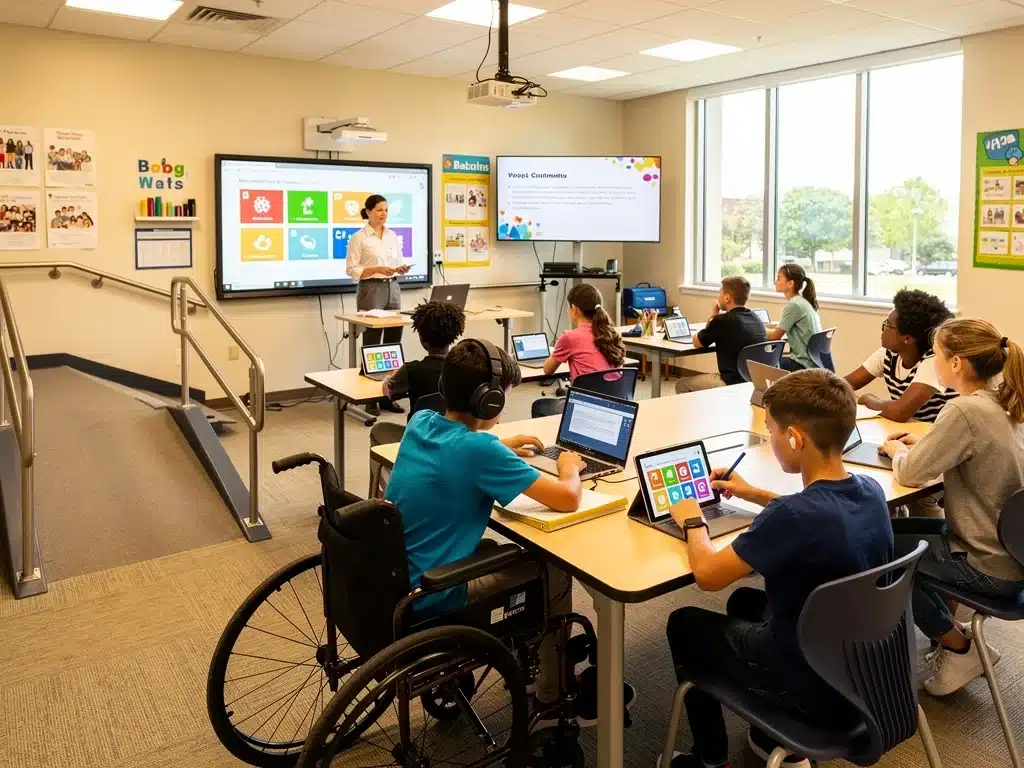
Sweeping federal updates are fundamentally changing US Special Education as public school districts align with updated ADA Title II regulations and WCAG 2.1 digital accessibility mandates.
From student portals to online course materials, schools must now ensure every digital platform is fully accessible to learners with diverse needs right from the start.
This transition from reactive accommodations to proactive, accessible-by-default design is reshaping how tailored support and individualized education programs (IEPs) are delivered.
Assistive technologies, screen-reader-compatible digital curricula, and adaptive software are rapidly shifting from optional support tools to core compliance expectations across K–12 classrooms.
For educators and school administrators, navigating these regulatory shifts requires modernized classroom tools and strategic district planning.
Here is a comprehensive look at how new accessibility requirements are driving systemic change and fostering a more equitable learning environment in 2026.
The Impetus Behind New Accessibility Standards
The push for enhanced accessibility in US special education stems from a long-standing commitment to equity and inclusion for students with disabilities.
Federal mandates, such as the Individuals with Disabilities Education Act (IDEA), have consistently evolved to reflect best practices and technological advancements.
These new standards are not merely administrative adjustments; they represent a fundamental paradigm shift towards ensuring every student, regardless of their disability, has full access to educational opportunities.
The aim is to dismantle barriers that have historically limited participation and learning outcomes.
As the 2026 deadline approaches, educational institutions nationwide are grappling with the scope and implications of these changes, necessitating comprehensive planning and resource allocation to meet the stringent new requirements.
Key Legislative Frameworks Driving Change
The driving force behind US Special Education involves a combination of updated federal legislation and evolving interpretations of existing laws. These frameworks aim to clarify and strengthen the rights of students with disabilities.
Section 504 of the Rehabilitation Act and Title II of the Americans with Disabilities Act (ADA) play crucial roles, mandating equal access and prohibiting discrimination.
The new standards often build upon these foundational laws, providing more specific guidelines for implementation in educational settings.
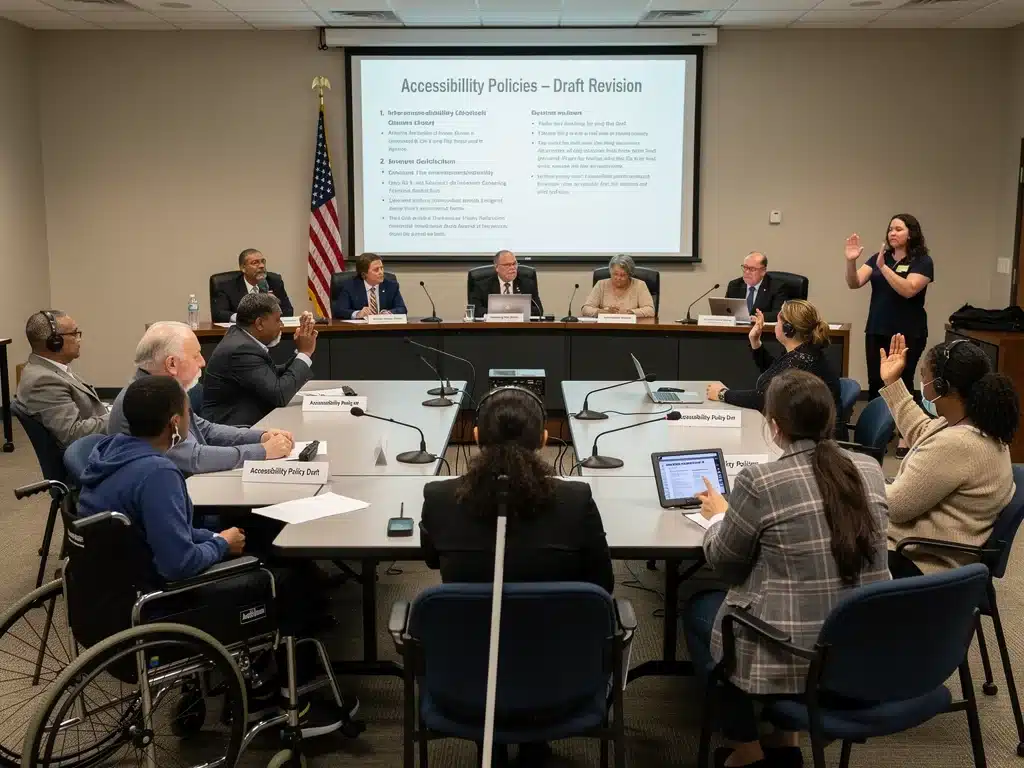
Furthermore, state-level regulations and local district policies are being revised to align with these federal directives, creating a multi-layered approach to ensure compliance and effective integration of accessibility for all students.
Revisiting IDEA: A Foundation for Inclusion
The Individuals with Disabilities Education Act (IDEA) remains the cornerstone of special education law in the United States. While not entirely new, its interpretation and enforcement are being strengthened to align with contemporary understanding of accessibility.
IDEA ensures that eligible children with disabilities receive a free appropriate public education (FAPE) in the least restrictive environment (LRE).
The new accessibility standards directly impact how FAPE and LRE are defined and delivered, demanding a more comprehensive approach to educational access.
This includes not only physical access but also access to curriculum, technology, and extracurricular activities, ensuring that the spirit of IDEA is fully realized for every student by 2026.
- Ensuring FAPE: Mandates that educational programs meet the unique needs of students with disabilities in accessible formats.
- Least Restrictive Environment: Promotes inclusion in general education settings with appropriate supports and accommodations.
- Parental Involvement: Emphasizes the critical role of parents in decision-making processes for their child’s education.
The Role of ADA and Section 504 Updates
The Americans with Disabilities Act (ADA) and Section 504 of the Rehabilitation Act are pivotal in extending civil rights protections to individuals with disabilities, including in educational contexts. Recent interpretations and updates provide more specific guidance for schools.
These laws require public entities, including schools, to provide reasonable accommodations and modifications to ensure equal opportunity. The focus is shifting towards proactive design and universal accessibility, rather than reactive accommodations, as part of the new standards.
This means anticipating accessibility needs from the outset in facility design, curriculum development, and technology procurement, fundamentally altering how schools approach special education by 2026.
Technological Innovations and Accessible Learning
Technology is at the forefront of US Special Education, offering unprecedented opportunities to create inclusive learning environments. Digital tools and platforms are becoming essential for delivering accessible content and instruction.
The integration of assistive technology (AT) is no longer an optional add-on but a fundamental component of individualized education programs (IEPs).
From screen readers and speech-to-text software to augmentative and alternative communication (AAC) devices, AT empowers students with diverse needs.
Schools are investing in robust digital infrastructures and training educators to effectively leverage these tools, ensuring that technology serves as a bridge, not a barrier, to learning for all students.
Universal Design for Learning (UDL) Implementation
Universal Design for Learning (UDL) is a pedagogical framework that guides the design of learning environments to be accessible to all individuals, regardless of their abilities. Its principles are central to the new accessibility standards.
UDL encourages educators to provide multiple means of engagement, representation, and action & expression. This means offering flexible ways for students to access information, demonstrate knowledge, and stay motivated, moving beyond a one-size-fits-all approach.
By integrating UDL into curriculum development and instructional practices, schools are proactively creating learning experiences that are inherently inclusive, benefiting not only students with disabilities but all learners by 2026.

Assistive Technology Integration and Training
The effective integration of assistive technology (AT) is critical for meeting the new accessibility standards. This goes beyond simply providing devices; it involves comprehensive training for both students and educators.
Special education professionals are receiving advanced training on how to assess, implement, and support various AT solutions. This ensures that the technology chosen is appropriate for individual student needs and effectively integrated into their daily learning.
Furthermore, general education teachers are also being equipped with the knowledge to utilize accessible digital tools and platforms, fostering a school-wide culture of technological inclusion as part of US Special Education.
- Personalized AT Plans: Development of specific assistive technology plans tailored to each student’s IEP.
- Teacher Professional Development: Ongoing training for educators on new accessible technologies and their application.
- Student Empowerment: Teaching students to independently use their AT to enhance their learning and communication.
Infrastructure and Environmental Accessibility
Beyond digital access, the physical environment of schools is undergoing significant transformations to meet the new accessibility standards. This includes ensuring that all facilities are physically accessible to students with mobility challenges and other physical disabilities.
Modifications range from ramps, elevators, and accessible restrooms to sensory-friendly classrooms and improved wayfinding systems. The goal is to eliminate physical barriers that prevent students from fully participating in school life.
These infrastructure investments are crucial for creating truly inclusive school communities, ensuring that every student can navigate their learning environment safely and independently by 2026.
Designing Inclusive School Spaces
Inclusive design principles are being applied to new school constructions and renovations. This proactive approach ensures that accessibility is built into the very fabric of school buildings, rather than being an afterthought.
Considerations include wider doorways, accessible play areas, and specialized learning spaces that cater to diverse sensory and physical needs. The emphasis is on creating environments that are welcoming and functional for all students and staff.
This holistic approach to environmental accessibility recognizes that a student’s physical surroundings profoundly impact their ability to learn and thrive within the educational system.
Beyond Ramps: Sensory and Cognitive Accessibility
Accessibility extends far beyond mere physical access; it also encompasses sensory and cognitive considerations. New standards are addressing the needs of students with sensory processing disorders, autism, and cognitive disabilities.
This includes creating quiet spaces, implementing visual schedules, using clear and simple language in signage, and managing classroom acoustics. The aim is to reduce sensory overload and provide predictable, supportive environments.
These nuanced approaches demonstrate a deeper understanding of diverse learning needs, illustrating how new accessibility standards are reshaping US special education by 2026 in a comprehensive manner.
Teacher Training and Professional Development
The success of US Special Education heavily relies on the preparedness of educators. Comprehensive teacher training and ongoing professional development are paramount to equip staff with the necessary skills and knowledge.
Training programs are focusing on inclusive instructional strategies, the effective use of assistive technologies, and understanding the diverse needs of students with disabilities. This includes both general education and special education teachers, fostering a collaborative approach.
Investing in educator development ensures that teachers are confident and competent in implementing accessible practices, ultimately leading to improved outcomes for all students within an inclusive educational framework.
Cultivating Inclusive Instructional Practices
Teachers are at the forefront of implementing inclusive instructional practices that align with the new accessibility standards. This involves adapting teaching methods, materials, and assessments to cater to a wide range of learning styles and abilities.
Strategies include differentiated instruction, collaborative learning, and project-based learning that allows for multiple pathways to demonstrate understanding. The goal is to move away from a one-size-fits-all model towards highly personalized learning experiences.
These practices are crucial for fostering an environment where every student feels valued, supported, and challenged appropriately, ensuring that the new accessibility standards translate into tangible benefits in the classroom.
- Differentiated Instruction: Tailoring teaching to meet individual student needs and learning styles.
- Collaborative Learning: Encouraging peer-to-peer support and group work in accessible formats.
- Flexible Assessment Methods: Offering diverse ways for students to demonstrate their knowledge and skills.
Addressing Staffing and Resource Allocation
Implementing new accessibility standards requires significant investment in staffing and resources. Schools are evaluating their current staffing models to ensure adequate support for students with disabilities and for the implementation of new technologies.
This includes hiring more special education teachers, paraprofessionals, therapists, and technology specialists. Furthermore, resources for accessible materials, software licenses, and ongoing maintenance of AT devices are critical components.
Strategic allocation of funds and personnel is essential to successfully navigate the changes mandated by US Special Education, ensuring that all aspects of inclusive education are adequately supported.
Impact on Curriculum Development and Assessment
The new accessibility standards are profoundly influencing how curriculum is developed and how student progress is assessed in special education. The focus is on creating curricula that are inherently accessible and assessments that accurately measure learning without bias.
Curriculum design is moving towards digital and flexible formats, incorporating principles of Universal Design for Learning (UDL) from the outset. This ensures that content is available in various modalities to meet diverse student needs.
Assessment practices are also evolving, with greater emphasis on authentic, performance-based assessments and the use of accommodations that do not compromise the integrity of the evaluation, reflecting the core tenets of US Special Education.
Developing Accessible Educational Materials (AEM)
The creation and provision of Accessible Educational Materials (AEM) are central to the new standards. This includes textbooks, digital resources, and instructional tools that can be accessed by students with various disabilities.
AEM can range from large print and Braille materials to audio formats, digital texts with screen reader compatibility, and interactive software with alternative input methods. Publishers and educators are collaborating to produce these resources.
Ensuring that all students have timely access to appropriate AEM is a critical step in leveling the playing field and fostering equitable learning opportunities across the US educational system.
Fair and Inclusive Assessment Practices
Assessment methods are being re-evaluated to ensure they are fair and inclusive for students with disabilities. The goal is to accurately measure what students know and can do, rather than their disability-related limitations.
This involves providing appropriate accommodations during testing, such as extended time, alternative formats, or the use of assistive technology. There is also an increased focus on formative assessments that provide ongoing feedback and support student learning.
These changes in assessment practices are vital for monitoring student progress effectively and making informed instructional decisions, aligning with the broader objectives of US Special Education.
Parental Involvement and Advocacy
Parental involvement and advocacy remain cornerstone components of special education, and their importance is further amplified by the new accessibility standards. Parents are key partners in ensuring these standards are met for their children.
The new regulations emphasize proactive communication and collaboration between schools and families, providing parents with clear information about their rights and the available resources.
Parent advocacy groups are also playing a crucial role in disseminating information and supporting families.
Empowering parents to understand and advocate for the new accessibility standards is essential for successful implementation and for upholding the rights of students with disabilities across the country.
Strengthening Home-School Partnerships
Effective home-school partnerships are vital for the successful implementation of new accessibility standards. Open lines of communication and mutual understanding between families and educators are more critical than ever.
Schools are encouraged to engage parents in every step of the process, from developing IEPs that incorporate new accessibility goals to providing resources for at-home support. This collaborative approach ensures consistency in a student’s learning environment.
Building strong relationships based on trust and shared goals will be instrumental in navigating the complexities of US Special Education and ensuring positive outcomes for students.
Advocacy and Community Support Networks
Advocacy organizations and community support networks are playing an indispensable role in promoting and monitoring the implementation of the new accessibility standards. These groups provide invaluable resources, training, and legal guidance to families.
They serve as watchdogs, ensuring that schools comply with federal and state mandates and that the spirit of inclusive education is upheld. Their collective voice helps to shape policy and hold institutions accountable.
The collaborative efforts of parents, advocates, and community organizations are a powerful force in ensuring that the ambitious goals of US Special Education are fully realized for every student.
Challenges and Opportunities Ahead
While the new accessibility standards present significant opportunities for enhancing special education, they also come with inherent challenges. Funding, professional development, and overcoming systemic inertia are key hurdles.
However, these challenges also create opportunities for innovation, collaboration, and a renewed commitment to inclusive practices. The 2026 deadline serves as a catalyst for systemic change and improvement across the educational landscape.
By addressing these challenges head-on, schools and districts can transform special education, creating more equitable and effective learning experiences for all students with disabilities, fostering a truly inclusive future.
Funding and Resource Allocation Issues
A primary challenge in implementing new accessibility standards is securing adequate funding and resources. The costs associated with infrastructure upgrades, technology procurement, and extensive professional development can be substantial for school districts.
Federal and state governments are exploring various funding mechanisms and grants to support these initiatives. However, local districts often bear a significant portion of the financial burden, requiring innovative budgeting and resource management.
Effective financial planning and advocacy for increased funding will be crucial to ensure that the ambitious goals of US Special Education are not hampered by budgetary constraints.
Ensuring Equitable Implementation Nationwide
Ensuring equitable implementation of the new accessibility standards across all states and districts presents another significant challenge. Disparities in resources, local priorities, and understanding of the mandates can lead to uneven application.
Federal oversight and clear guidelines are essential to promote consistency. Sharing best practices and creating supportive networks among districts can help bridge gaps and ensure that all students, regardless of their geographic location, benefit from these enhanced standards.
The collective effort to achieve equitable implementation is vital for realizing the transformative potential of US Special Education for all students with disabilities.
| Key Aspect | Impact by 2026 |
|---|---|
| Legislative Frameworks | Strengthened IDEA, ADA, and Section 504 interpretations for broader inclusion. |
| Technological Integration | Increased use of assistive technology and Universal Design for Learning (UDL). |
| Physical Accessibility | Mandatory infrastructure upgrades and inclusive design for school environments. |
| Teacher Preparedness | Extensive professional development on inclusive practices and AT utilization. |
Frequently Asked Questions About Special Education Accessibility
The primary goals are to ensure equitable access to education for all students with disabilities, foster inclusive learning environments, and dismantle physical, digital, and instructional barriers. These standards aim to align educational practices with civil rights laws like ADA and IDEA, promoting full participation and improved outcomes for every student.
Technology is crucial. It will involve widespread integration of assistive technologies (AT) and Universal Design for Learning (UDL) principles in digital platforms and curriculum. This ensures that learning materials are accessible, and students can interact with content and demonstrate knowledge through various accessible means, empowering diverse learners.
Schools face significant challenges including securing adequate funding for infrastructure upgrades and technology, providing comprehensive professional development for staff, and managing the logistical complexities of systemic change. Ensuring equitable implementation across diverse districts with varying resources is also a major hurdle.
Parents can advocate by actively participating in IEP meetings, understanding their child’s rights under IDEA and ADA, and collaborating closely with school staff. Joining parent advocacy groups and staying informed about local and federal guidelines are also effective strategies to ensure their child’s needs are met.
The long-term impact is expected to be transformative, leading to more inclusive educational systems where students with disabilities have greater opportunities for academic success and social integration. It aims to foster a culture of universal design, reducing the need for retrofitting and promoting equity from the outset, benefiting future generations of learners.
Looking Ahead: The Future of Inclusive Education
The implementation of US Special Education represents a landmark moment for inclusive education in the United States. This ongoing transformation demands vigilance, collaboration, and a sustained commitment from all stakeholders.
As the deadline approaches and beyond, the focus will shift from compliance to fully realizing the potential of these standards in creating truly equitable and empowering learning environments.
Monitoring policy effectiveness, technological advancements, and community engagement will be crucial to track success.
Ultimately, these changes are paving the way for a more just and accessible educational landscape, where every student with a disability has the opportunity to thrive and contribute meaningfully to society.