FCC Mandates Nationwide Telecom Verification Standards to Eliminate 90% of AI Voice Scams
Anúncios
Have you ever received a call from a voice that sounded unmistakably like a family member in distress? The rise of sophisticated AI voice scams has forced federal regulators to take decisive action against synthetic audio fraud.
The Federal Communications Commission is enacting aggressive carrier-level verification mandates to intercept malicious impersonation calls before they reach your phone.
Under these new nationwide telecom standards, voice service providers must implement strict caller-authentication protocols to block spoofed numbers.
By requiring real-time identity verification across telecommunications networks, federal authorities aim to neutralize voice cloning technology and eliminate up to 90% of fraudulent automated traffic.
For consumers fatigued by deceptive robocalls, this aggressive regulatory overhaul marks a major turning point in digital security. Understanding these updated anti-fraud measures ensures you know how telecom networks are shielding your mobile device from automated voice deception.
Anúncios
Understanding the FCC's New Mandate Against AI Voice Scams
The FCC's directive comes as a direct response to the escalating threat of artificial intelligence (AI) voice scams, which have grown increasingly prevalent and sophisticated. These scams often leverage advanced AI to mimic voices, deceive individuals, and facilitate financial fraud.
The new nationwide telecom verification standards are designed to create a robust defense mechanism within the telecommunications infrastructure. This initiative seeks to identify and block fraudulent calls before they ever reach consumers, significantly reducing their exposure to these deceptive tactics.
This mandate represents a critical step in consumer protection, moving beyond reactive measures to proactive prevention. The goal is to restore trust in voice communications and safeguard individuals from the financial and emotional distress caused by AI-driven deception.
Anúncios
The Escalating Threat of AI Voice Scams and the Need for Action
AI voice scams have rapidly evolved, employing deepfake audio technology to impersonate loved ones, government officials, or bank representatives. These highly convincing deceptions have led to substantial financial losses for victims across the United States.
The previous regulatory frameworks proved insufficient to combat the speed and scale at which these AI-generated threats emerged and proliferated. A more comprehensive and unified approach was urgently needed to protect the public from this sophisticated form of fraud.
The FCC's decision to implement nationwide telecom verification standards reflects a recognition of the severity of the problem and the necessity for a coordinated effort across all telecommunication providers. This unified front is essential for effectively tackling such a pervasive issue.
Key Components of the Nationwide Telecom Verification Standards
The new standards introduce several critical components aimed at verifying the legitimacy of calls originating within and entering U.S. networks. These measures are designed to enhance transparency and traceability for all voice communications.
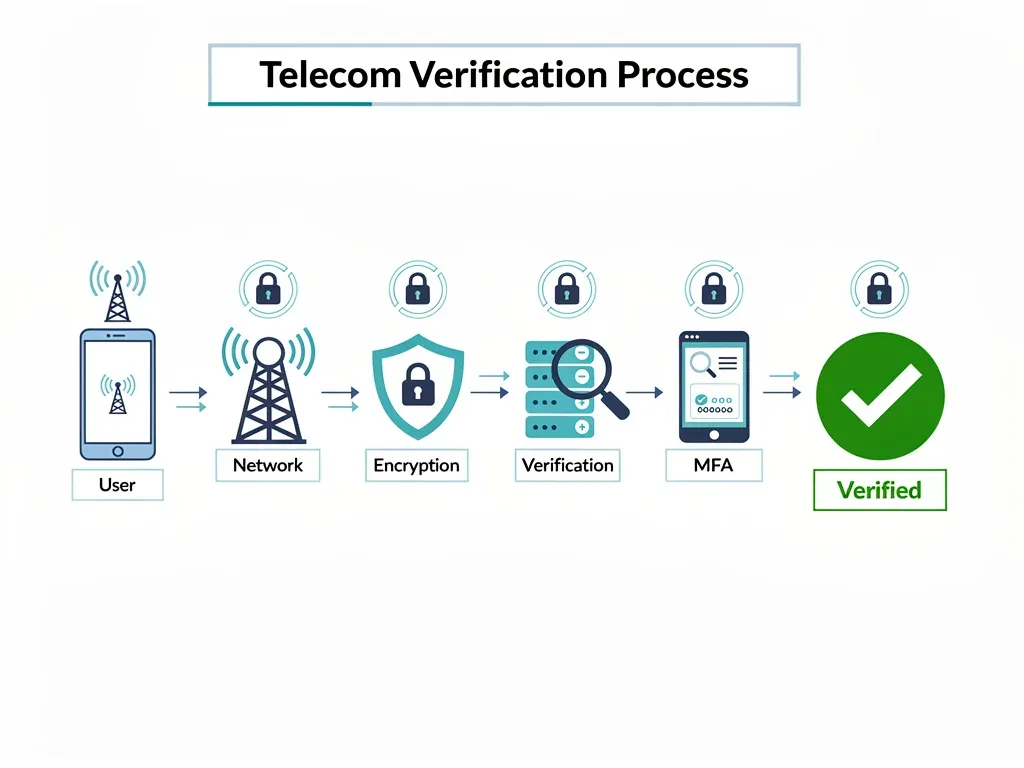
One primary component involves stricter adherence to caller ID authentication protocols, such as STIR/SHAKEN, which verifies the authenticity of caller ID information. The mandate extends and strengthens these existing protocols to specifically address AI-generated spoofing.
Furthermore, the FCC is requiring telecom providers to implement advanced analytics and machine learning tools to detect patterns indicative of AI voice scams. This proactive monitoring aims to identify and flag suspicious call activities in real-time, preventing them from reaching consumers.
How the FCC Expects to Eliminate 90% of AI Voice Scams
The 90% elimination target is ambitious, yet the FCC believes it is achievable through the comprehensive nature of the new standards. The combination of enhanced authentication, advanced detection, and rapid response mechanisms is expected to create a significant barrier for scammers.
By making it significantly harder for fraudulent calls to spoof legitimate numbers or bypass detection systems, the volume of successful AI voice scams should drastically decrease. The mandate aims to disrupt the operational models of these scamming enterprises.
Moreover, increased collaboration between telecom providers and law enforcement, facilitated by these new standards, will allow for quicker identification and prosecution of those behind AI voice scams. This multi-faceted approach underpins the FCC's confidence in achieving its target.
Impact on Telecommunication Providers and Implementation Challenges
Telecommunication providers face significant responsibilities in implementing these new nationwide telecom verification standards. This includes upgrading existing systems, investing in new technologies, and training personnel to manage the enhanced verification processes.
Challenges may arise in integrating diverse systems and ensuring seamless interoperability across different networks. Providers must work diligently to meet the FCC's deadlines, which are designed to bring these protections online as swiftly as possible.
Technical Overhauls Required
Upgrading existing STIR/SHAKEN implementations for broader coverage.
Developing or integrating AI-powered analytics for real-time scam detection.
Establishing new data sharing protocols for identifying and blocking fraudulent calls.
Despite the challenges, the industry generally supports the FCC's objectives, recognizing the long-term benefits of a more secure and trustworthy telecommunications environment for both consumers and businesses.
Consumer Benefits and the Future of Voice Communication Security
For consumers, the most immediate benefit will be a dramatic reduction in unsolicited and fraudulent AI voice scams. This will lead to increased peace of mind and greater confidence in answering calls.
The new standards are expected to foster a more secure digital environment, protecting vulnerable populations who are often disproportionately targeted by these scams. It represents a significant win for consumer advocacy and digital safety.
Anticipated Consumer Advantages
Fewer fraudulent calls reaching personal devices.
Enhanced protection against identity theft and financial fraud.
Greater trust in caller ID information.
Looking ahead, these nationwide telecom verification standards could set a precedent for future regulatory actions aimed at securing other forms of digital communication against emerging AI-driven threats. The FCC Mandates Nationwide Telecom Verification Standards to Eliminate 90% of AI Voice Scams is a landmark decision.
Addressing Potential Side Effects and False Positives
While the goal is to eliminate AI voice scams, there is always a concern about potential side effects, such as legitimate calls being mistakenly flagged or blocked. The FCC and telecom providers are keenly aware of this and are developing mechanisms to minimize such occurrences.
The verification systems are designed to be continuously refined through machine learning, improving accuracy over time. Feedback mechanisms will also be established for users to report misidentified calls, allowing for rapid adjustments and corrections to the system.
The balance between robust scam elimination and ensuring legitimate communication flows freely is delicate. Ongoing monitoring and adaptation will be crucial to optimize the effectiveness of the nationwide telecom verification standards without undue disruption.

Enforcement and Compliance: What Comes Next for Telecoms
The FCC has outlined clear enforcement mechanisms and compliance deadlines for telecommunication providers. Non-compliance could result in significant penalties, underscoring the seriousness with which the commission views this mandate.
Providers must submit regular reports detailing their progress in implementing the new standards and demonstrating their effectiveness in combating AI voice scams. This oversight ensures accountability and continuous improvement.
Compliance Milestones for Providers
Initial implementation phase for core verification technologies.
Ongoing reporting requirements on scam detection and blocking rates.
Regular audits and assessments by the FCC to ensure adherence.
The success of the FCC Mandates Nationwide Telecom Verification Standards to Eliminate 90% of AI Voice Scams hinges on rigorous enforcement and a collaborative spirit among all stakeholders, from the largest carriers to smaller regional providers.
The Broader Implications for Digital Security and Public Trust
Beyond the immediate impact on voice scams, this FCC mandate has broader implications for digital security. It signals a strong regulatory stance against the misuse of AI for fraudulent purposes, potentially influencing future legislation in other digital domains.
Restoring public trust in telecommunications is a monumental task, but this initiative is a significant step forward. When consumers feel safer answering their phones, it revitalizes a fundamental aspect of modern communication.
The FCC Mandates Nationwide Telecom Verification Standards to Eliminate 90% of AI Voice Scams sets a precedent for how governments can proactively address the challenges posed by rapidly advancing AI technologies. It reinforces the idea that innovation must be accompanied by robust safeguards.
Key Point | Brief Description |
|---|---|
Mandate Goal | Eliminate 90% of AI voice scams through new verification standards. |
Core Measure | Stricter caller ID authentication and advanced AI detection tools. |
Provider Impact | Requires system upgrades, new tech, and compliance reporting. |
Consumer Benefit | Reduced scam calls, enhanced protection, and increased trust. |
Frequently Asked Questions About FCC's AI Voice Scam Mandate
What exactly does the FCC's new mandate entail?▼
The FCC's new mandate requires telecommunication providers across the United States to implement nationwide verification standards. These standards aim to authenticate caller ID information more rigorously and deploy advanced AI-driven detection systems to identify and block fraudulent voice calls, especially those using AI to mimic voices and deceive recipients. This is a direct effort to combat the rising tide of AI voice scams.
How will this mandate reduce AI voice scams by 90%?▼
The 90% reduction target is based on a multi-pronged approach. By strengthening caller ID authentication protocols like STIR/SHAKEN, it becomes harder for scammers to spoof numbers. Coupled with real-time AI analytics to detect scam patterns and increased collaboration among providers, the FCC anticipates a significant disruption to scamming operations, preventing a vast majority of AI voice scams from ever reaching consumers.
What is the role of telecom providers in this new mandate?▼
Telecom providers are central to the FCC's new mandate. They are responsible for upgrading their infrastructure, adopting new technologies for call verification and scam detection, and ensuring compliance with the specified standards. This includes ongoing monitoring, reporting on effectiveness, and collaborating with the FCC to refine the systems and address any emerging challenges. Their active participation is crucial for the success of these nationwide telecom verification standards.
When can consumers expect to see the impact of these new standards?▼
The implementation of nationwide telecom verification standards will be a phased process, with providers working to meet FCC deadlines. Consumers should begin to notice a gradual decrease in AI voice scams as systems are rolled out and become more effective. While an exact timeline for the full 90% reduction isn't fixed, the FCC aims for rapid deployment to provide relief as soon as possible, continuously monitoring progress.
Are there any concerns about legitimate calls being blocked?▼
The FCC acknowledges the importance of avoiding false positives where legitimate calls are inadvertently blocked. The new systems are designed with sophisticated algorithms and machine learning capabilities that will continuously learn and adapt to minimize such occurrences. Furthermore, mechanisms for reporting incorrectly blocked calls will be in place, allowing for system adjustments and ensuring that essential communications are not disrupted by the implementation of these nationwide telecom verification standards.
What Happens Now
The FCC's new mandate to implement nationwide telecom verification standards marks a pivotal moment in the fight against digital fraud. This decisive action, aimed at eliminating 90% of AI voice scams, necessitates vigilant oversight and continuous adaptation from both regulators and telecommunication providers.
Consumers should remain informed about these developments, recognizing that while significant protections are being put in place, vigilance against evolving scam tactics remains crucial. The success of the FCC Mandates Nationwide Telecom Verification Standards to Eliminate AI Voice Scams will set a new benchmark for digital security.