Federal Employee Benefits 2026: Navigating New Healthcare and Retirement Plan Advantages

Anúncios
If you want to maximize your hard-earned compensation, understanding the updated framework of Federal Employee Benefits 2026 is the single most important step for protecting your wallet and your future.
Sweeping changes across the government landscape mean workers are facing notable adjustments to their monthly take-home pay.
While workplace health care premium rates are climbing, the Federal Employees Health Benefits (FEHB) program has expanded critical coverage areas, including robust anti-obesity and behavioral health care access.
Simultaneously, the Thrift Savings Plan (TSP) is rolling out major operational shifts, introducing long-awaited pre-tax to Roth in-plan retirement account conversions alongside mandatory after-tax rules for high earners.
We break down these structural changes so you can confidently pick the right health plan and build a bulletproof roadmap for your retirement goals.
Understanding the Evolving Landscape of Federal Employee Benefits 2026
The upcoming year, 2026, is poised to bring significant alterations to the comprehensive benefits packages offered to federal employees.
These changes are not merely administrative; they reflect broader economic trends and policy shifts designed to enhance or recalibrate the sustainability of these programs.
Federal agencies are currently working to finalize the specifics, but preliminary outlines suggest a focus on modernizing healthcare options and bolstering retirement security. Understanding these foundational shifts is crucial for proactive planning.
For federal employees, staying informed about these evolving components of Federal Employee Benefits 2026 is paramount. It allows for strategic decisions that can profoundly impact personal financial health and overall well-being.
Key Changes in Federal Healthcare Options for 2026
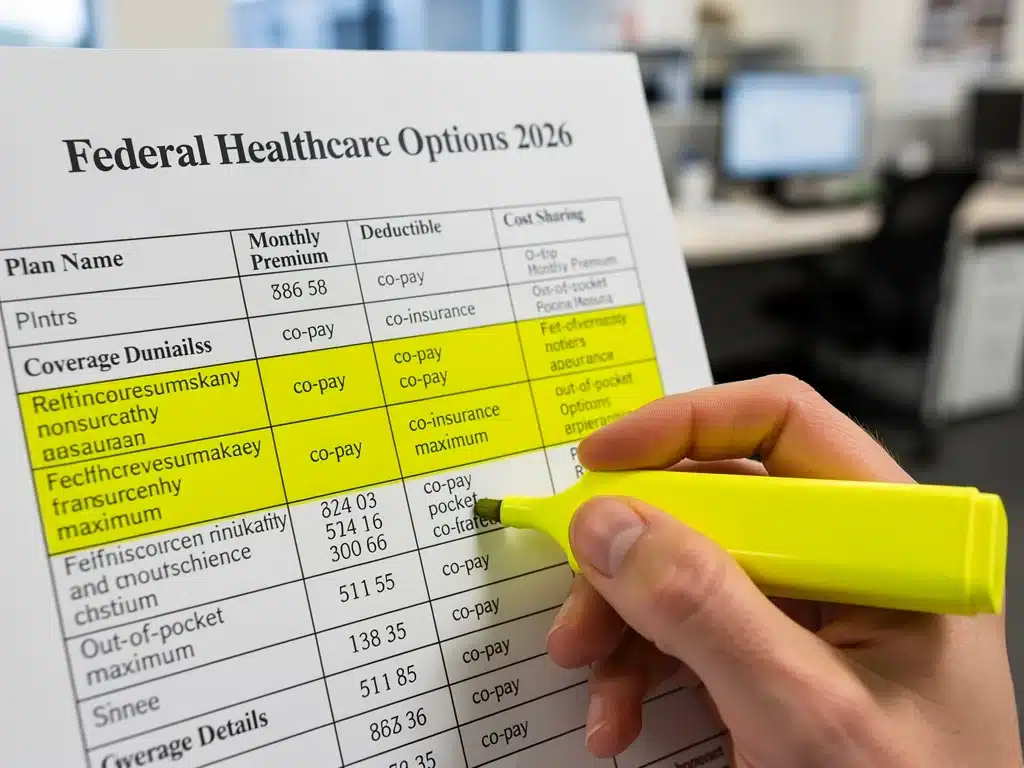
The Federal Employees Health Benefits (FEHB) program is expected to undergo several adjustments in 2026, aiming to improve access to care while managing rising costs.
These changes could include new plan offerings, revised cost-sharing mechanisms, and expanded coverage for certain services.
Officials have indicated a push towards more value-based care models and preventative health initiatives. This strategic direction is designed to not only reduce long-term healthcare expenditures but also to foster a healthier federal workforce.
Federal employees should prepare to thoroughly review their current FEHB plans against the new options available for Federal Employee Benefits 2026. This review will be essential to ensure continued optimal coverage.
Anticipated FEHB Program Enhancements
Sources close to the Office of Personnel Management (OPM) suggest that 2026 could see the introduction of more flexible healthcare spending accounts. These accounts would offer federal employees greater control over their healthcare dollars.
There is also discussion around increasing transparency regarding plan performance and provider networks. This move aims to empower employees with better information to make informed choices about their healthcare providers and services.
- Expanded telehealth services to improve access and convenience.
- New incentives for wellness programs and preventative screenings.
- Potential for enhanced mental health and substance abuse coverage.
Navigating Retirement Plan Adjustments in 2026
Retirement planning for federal employees, primarily through the Federal Employees Retirement System (FERS) and the Thrift Savings Plan (TSP), will also see important updates in 2026. These adjustments are critical for long-term financial security.
The TSP, in particular, may introduce new investment options or modify existing fund structures to better meet the diverse needs of federal workers. Such changes are often driven by market trends and actuarial assessments.
Understanding the implications of these retirement plan adjustments is vital for federal employees. It ensures that their retirement savings strategies remain aligned with their financial goals under the new framework of Federal Employee Benefits 2026.
TSP Modernization and Investment Strategies
The TSP has been progressively modernizing its platform and offerings, and 2026 is expected to continue this trend with potential new features. These could include enhanced online tools for financial planning and personalized guidance.
Discussions are ongoing about the possibility of adding more diverse investment funds beyond the current core options, offering greater choice for participants. This would allow federal employees to tailor their portfolios more precisely to their risk tolerance and financial objectives.
- Potential for new lifecycle fund structures reflecting updated demographic data.
- Review of contribution limits and matching policies to align with inflation.
- Improved educational resources for effective retirement planning.
Impact of Legislative Changes on Federal Employee Benefits 2026
Legislative actions often play a significant role in shaping federal benefits, and 2026 will likely be no exception. Congress may introduce new bills or amend existing laws that directly influence healthcare and retirement programs.
These legislative changes can range from minor adjustments to broad overhauls, affecting eligibility, funding, and the overall structure of benefits. Federal employees must monitor these developments closely to anticipate their potential impact.
The interplay between legislative mandates and agency implementation will define the final contours of Federal Employee Benefits 2026. Informed employees will be better positioned to adapt to these changes.
Proposed Bills and Their Potential Effects
Several bills currently under consideration in Congress could impact federal benefits, focusing on areas like prescription drug costs and retirement age flexibility. While outcomes are uncertain, their progress warrants attention.
Advocacy groups for federal employees are actively engaging with lawmakers to ensure that any legislative changes are beneficial and sustainable. These efforts aim to protect the interests of the federal workforce.
Understanding the legislative pipeline offers a proactive approach to anticipating changes. This knowledge enables federal employees to prepare for potential shifts in their benefits and make necessary adjustments to their personal financial plans.
Enrollment Periods and Actionable Steps for 2026
As 2026 approaches, federal employees will need to pay close attention to the annual Open Season enrollment period. This is the critical window during which they can make changes to their healthcare and dental/vision coverage.
The Open Season typically occurs in the fall, but specific dates and deadlines are announced well in advance by OPM. Missing this period can result in being locked into current plans or missing out on new advantages.
Proactive engagement during the Open Season is a key actionable step for maximizing Federal Employee Benefits 2026. Thorough review and timely action are essential for securing the best possible benefits package.
Preparing for Open Season 2026
Before Open Season begins, federal employees should gather all relevant information about their current benefits and any proposed changes for 2026. This includes reviewing plan brochures, premium costs, and coverage details.
It is also advisable to assess personal and family healthcare needs for the upcoming year. This will help in comparing different FEHB plans and determining the most suitable option, considering both cost and coverage.
- Utilize online comparison tools provided by OPM to evaluate plan options.
- Attend informational webinars or workshops offered by agencies or unions.
- Consult with a financial advisor to integrate benefits decisions into overall financial planning.
Strategic Planning for Optimal Federal Employee Benefits 2026
Beyond simply reacting to changes, federal employees can engage in strategic planning to optimize their benefits in 2026. This involves a holistic approach that considers both short-term needs and long-term financial goals.
Strategic planning includes evaluating the interplay between healthcare choices, retirement contributions, and other ancillary benefits like life insurance and flexible spending accounts. A coordinated approach yields the best outcomes.
For sustainable financial well-being, understanding the full scope of Federal Employee Benefits 2026 and planning accordingly is indispensable. This proactive stance ensures that employees are not merely participants but active managers of their benefits.
Integrating Benefits into a Comprehensive Financial Plan
Federal benefits are a significant component of an employee’s total compensation, and they should be integrated into a broader financial plan. This includes budgeting, investment strategies, and estate planning.
Considering how changes in healthcare premiums or retirement fund performance might affect overall financial liquidity and future wealth accumulation is crucial. A comprehensive view helps in making balanced decisions.
Seeking professional financial advice can provide valuable insights into optimizing federal benefits within a larger financial framework. This ensures that employees are leveraging every advantage available to them.
Understanding the Role of OPM and Agency Resources in 2026
The Office of Personnel Management (OPM) serves as the primary administrator of federal employee benefits, and their announcements are critical for understanding 2026 changes. OPM provides official guidance and resources.
Individual federal agencies also play a crucial role in disseminating information and providing support to their employees. They often offer localized training and benefits counselors to assist with specific inquiries.
Leveraging these official resources is essential for federal employees seeking accurate and up-to-date information regarding Federal Employee Benefits 2026. Relying on verified sources helps avoid misinformation and ensures compliance.

Accessing Official Information and Support
OPM’s official website is the authoritative source for all federal benefits information, including detailed descriptions of FEHB plans, TSP updates, and legislative impacts. Employees should regularly check this portal.
Many agencies host internal portals or benefits fairs where employees can ask questions directly to benefits specialists. These events provide opportunities for personalized assistance and clarifications.
- Subscribe to official OPM newsletters and agency-specific communications.
- Utilize the employee assistance programs (EAPs) for financial counseling.
- Participate in virtual or in-person benefits workshops to stay current.
Future Outlook and Long-Term Implications of 2026 Benefits
The changes implemented in 2026 for federal benefits are not isolated events but part of a continuous evolution in how the government supports its workforce. These adjustments often set precedents for future years.
Long-term implications could include shifts in federal employment trends, workforce retention rates, and the overall attractiveness of federal service. The sustainability and competitiveness of benefits are always under review.
For federal employees, looking beyond the immediate changes of Federal Employee Benefits 2026 offers a strategic advantage. It helps in anticipating future trends and planning for a stable career within the federal sector.
Projected Trends in Federal Benefits Evolution
Experts predict a continued emphasis on personalized benefits options, allowing employees more flexibility in tailoring their packages. This trend aligns with broader shifts in the private sector to meet diverse employee needs.
There is also an ongoing focus on integrating technology to streamline benefits administration and access. Digital platforms will likely play an even more prominent role in how federal employees manage their benefits in the future.
- Increased focus on holistic well-being, encompassing financial, physical, and mental health.
- Greater emphasis on data analytics to optimize benefits offerings and cost-efficiency.
- Potential for expanded family-friendly benefits and flexible work arrangements.
| Key Point | Brief Description |
|---|---|
| Healthcare Updates | FEHB program adjustments, new plan options, and cost-sharing revisions. |
| Retirement Plan Changes | TSP modernization, potential new investment funds, and contribution reviews. |
| Legislative Influence | Impact of new bills and amendments on benefit structures and funding. |
| Strategic Planning | Proactive steps for employees to optimize benefits during Open Season 2026. |
Frequently Asked Questions About Federal Employee Benefits 2026
The most significant changes expected in Federal Employee Benefits 2026 relate to adjustments in the FEHB program, including new plan designs and cost-sharing models, and potential enhancements to TSP investment options. These aim to modernize offerings and ensure long-term sustainability for federal employees.
Healthcare plans under FEHB in 2026 may feature expanded telehealth, new wellness incentives, and revised coverage for mental health services. Federal employees should expect changes in premiums, deductibles, and out-of-pocket maximums, requiring careful review during Open Season.
To prepare for retirement plan changes in 2026, federal employees should review their TSP investment allocations and consider any new fund options. It’s crucial to stay informed about potential adjustments to contribution limits and seek financial advice to align retirement strategies with evolving benefits.
The Open Season for Federal Employee Benefits 2026 typically occurs in the fall, and it is crucial because it’s the only time federal employees can make changes to their healthcare, dental, and vision coverage without a qualifying life event. This period is vital for adapting to new benefit structures.
Federal employees can find official information about Federal Employee Benefits 2026 on the OPM website and through their specific agency’s human resources department. These sources provide accurate, up-to-date details, enrollment guides, and contact information for benefits counselors to assist with inquiries.
Looking Ahead
The evolving landscape of Federal Employee Benefits 2026 underscores the importance of continuous vigilance and proactive engagement from federal employees.
The anticipated changes in healthcare and retirement plans are designed to ensure the long-term viability and attractiveness of federal service, yet they require individual attention.
Monitoring official announcements from OPM and leveraging agency resources will be crucial in navigating these shifts effectively. Employees who stay informed and plan strategically will be best positioned to maximize their benefits.
These developments reflect broader trends in employee compensation and well-being, suggesting a future where personalized benefits and digital tools play an even greater role in securing financial and health stability for the federal workforce.