FTC Enacts 30-Day Click-to-Cancel for National Subscriptions
Anúncios
Canceling unwanted recurring memberships and hidden monthly charges is finally becoming as effortless as signing up for them. The Federal Trade Commission’s newly enacted 30-Day Click-to-Cancel Mandate forces subscription-based businesses to offer simple, one-click online cancellation options without hidden retention traps.
Eliminating deceptive retention tactics and endless phone hold times protects consumers from predatory auto-renewal schemes across digital platforms. Under these federal consumer protection rules, companies must provide clear opt-out mechanisms before charging recurring billing fees.
Restoring fair practices in subscription billing empowers shoppers to manage their monthly recurring expenses with complete transparency. Here is how the FTC's new subscription cancellation rules protect your wallet and streamline your digital accounts.
FTC's New Mandate: A Win for Consumers
The Federal Trade Commission's recent mandate represents a significant step forward in protecting consumers from deceptive business practices. This rule specifically targets national subscription services that have historically made it difficult for users to cancel their recurring payments.
Under the new directive, companies must provide an online cancellation option that is as simple and direct as the initial sign-up process. This means no more navigating through endless menus, calling customer service, or enduring persuasive retention attempts during the cancellation flow.
Anúncios
The FTC emphasizes that this measure is crucial for fostering fair competition and ensuring transparency in the subscription economy. It aims to restore consumer trust and give individuals greater control over their financial commitments.
Understanding the 30-Day Requirement
The core of the new mandate is the 30-day period for businesses to implement and adhere to the click-to-cancel mechanism. This timeframe gives companies a clear deadline to update their systems and ensure compliance with the FTC's regulations.
During this 30-day window, the FTC expects businesses to actively work towards integrating a user-friendly cancellation option directly into their online platforms. Failure to meet this deadline could result in significant penalties and legal repercussions for non-compliant companies.
Anúncios
Consumers should begin to see these changes rolled out across various national subscription services within the stipulated period. The mandate is designed to provide immediate relief and long-term protection against predatory subscription practices.
Impact on Subscription Service Providers
For national subscription service providers, this mandate necessitates a re-evaluation of their existing cancellation procedures. Companies must now prioritize user experience in their offboarding processes, shifting from retention-focused friction to compliance and transparency.
This change will likely require significant technical adjustments, customer service training, and a fundamental shift in business strategy for many organizations. The goal is to ensure that consumers can cancel their subscriptions with minimal effort, reflecting an ethical approach to business operations.
The FTC's ruling underscores a broader regulatory trend towards greater consumer protection in digital markets. Companies that embrace these changes proactively will likely build stronger customer relationships and avoid potential regulatory scrutiny.
Key Provisions of the Click-to-Cancel Mandate
The Federal Trade Commission's new mandate outlines several key provisions designed to ensure a robust and effective click-to-cancel process. These provisions are not merely suggestions but enforceable requirements that all national subscription services must adhere to.
One crucial aspect is the requirement for a clear and conspicuous cancellation link or button. This element must be easily identifiable and accessible to consumers, eliminating any need for extensive searching or hidden pathways.
Additionally, the mandate prohibits businesses from introducing unnecessary steps or obstacles during the cancellation process. The entire procedure should be streamlined, allowing consumers to complete their cancellation in as few clicks as possible.
Defining 'National Subscription Services'
The term 'national subscription services' encompasses a broad range of offerings that operate across state lines and serve a significant consumer base in the United States. This includes, but is not limited to, streaming platforms, software subscriptions, online memberships, and digital content providers.
The FTC's intention is to ensure that the mandate applies to any service that automatically renews and charges consumers on a recurring basis, regardless of the specific industry. This broad definition prevents companies from finding loopholes to circumvent the new regulations.
Businesses operating solely within a single state or with a very limited local presence may not fall under the direct scope of this national mandate, but state-level regulations often mirror federal consumer protection efforts.
Prohibited Practices Under the New Rule
The Federal Trade Commission's new mandate specifically prohibits several practices that have historically frustrated consumers attempting to cancel subscriptions. These 'dark patterns' are now explicitly deemed illegal.
Among the prohibited practices are requiring consumers to call customer service when online cancellation is available, forcing them through multiple screens designed to dissuade cancellation, and making cancellation buttons difficult to locate or understand.
The FTC aims to eliminate any deliberate friction points that make it harder for consumers to exercise their right to cancel. This move is expected to significantly improve the consumer experience across the subscription economy.
Banning forced phone calls for online-initiated subscriptions.
Eliminating complex, multi-step cancellation flows.
Prohibiting confusing or misleading cancellation language.
Ensuring clear and prominent cancellation options.
Consumer Rights and Protections Enhanced
The Federal Trade Commission Enacts 30-Day Click-to-Cancel Mandate, fundamentally strengthening consumer rights. This mandate ensures that consumers are no longer trapped in subscriptions they no longer desire due to intentionally difficult cancellation processes.
Consumers will now have the power to quickly and easily terminate recurring payments, preventing unwanted charges and providing greater financial control. This shift empowers individuals to make informed decisions about their subscriptions without fear of being locked in.
The FTC's action reflects a growing recognition of the need for robust consumer protections in an increasingly digital and subscription-based marketplace. It sets a new standard for how businesses must interact with their customers regarding recurring services.
Empowering Consumers with Choice and Control
The primary goal of the click-to-cancel mandate is to empower consumers by giving them genuine choice and control over their subscription services. This means that signing up for a service should not equate to an irreversible commitment.
With a simple cancellation process, consumers can more confidently try new services, knowing they can easily opt-out if the service doesn't meet their needs. This fosters a more dynamic and competitive marketplace, benefiting both consumers and ethical businesses.
The ability to cancel with ease reduces consumer frustration and builds trust between businesses and their customer base. It promotes a healthier relationship where value, not friction, drives customer retention.
Reporting Non-Compliance to the FTC
Consumers who encounter national subscription services that do not comply with the new Federal Trade Commission Enacts 30-Day Click-to-Cancel Mandate are encouraged to report these instances directly to the FTC. The agency relies on consumer feedback to identify and address violations.
Reporting non-compliant businesses helps the FTC enforce the new rule effectively and ensures that all companies adhere to the higher standards of consumer protection. The FTC website provides clear channels for submitting complaints.
This active participation from consumers is vital for the mandate's success, as it creates a system of accountability that holds businesses responsible for their practices. The FTC is committed to investigating reported issues and taking appropriate action.
Business Adaptation and Compliance Challenges
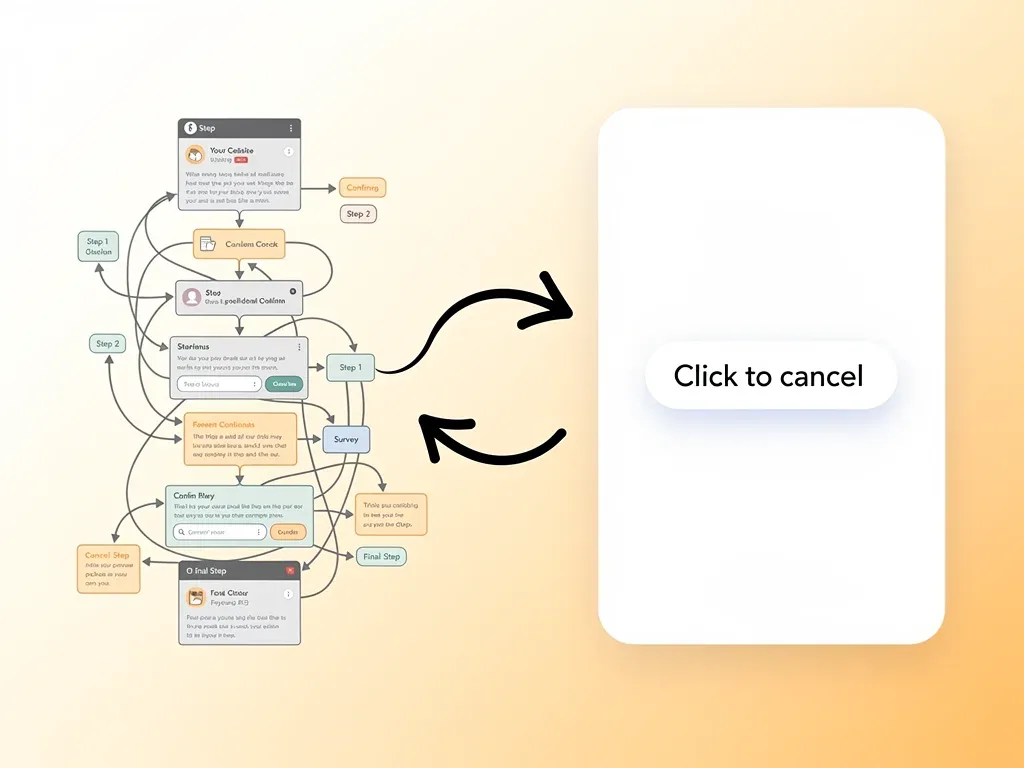
While the Federal Trade Commission Enacts 30-Day Click-to-Cancel Mandate offers clear benefits to consumers, it presents significant adaptation and compliance challenges for many businesses. Companies must now prioritize user experience in their offboarding processes, a shift from previous strategies.
Many existing subscription services have deeply embedded complex cancellation flows into their platforms, often requiring substantial technical overhauls to meet the new requirements. This transition period demands investment in development and strategic planning.
Furthermore, businesses will need to train their customer service teams to handle inquiries related to the new cancellation process and ensure that all internal procedures align with the FTC's mandate. The focus shifts from dissuading cancellation to facilitating it transparently.
Technical Implementation Requirements
Implementing a compliant click-to-cancel mechanism involves more than just adding a button. It requires ensuring that the entire cancellation workflow is streamlined, functional, and devoid of any deceptive elements.
This includes updating user interfaces, integrating with billing systems to ensure immediate cessation of charges, and providing clear confirmation of cancellation to the consumer. The technical complexity can vary significantly depending on the legacy systems in place.
Companies might need to allocate substantial resources to their engineering and product teams to meet these technical requirements within the 30-day timeframe. The FTC expects robust and reliable solutions, not just superficial changes.
Revising Customer Retention Strategies
With the simplification of the cancellation process, businesses can no longer rely on friction as a retention strategy. This forces a fundamental shift towards value-driven customer retention, where the quality of the service and customer satisfaction become paramount.
Companies will need to invest more in understanding customer needs, improving their offerings, and providing exceptional customer service to keep subscribers engaged. This could lead to a healthier, more competitive market where service excellence is rewarded.
The FTC's mandate encourages businesses to build loyalty through genuine value rather than through burdensome cancellation procedures. This long-term perspective can ultimately benefit both consumers and forward-thinking companies.
Historical Context of FTC's Consumer Protection Efforts
The Federal Trade Commission Enacts 30-Day Click-to-Cancel Mandate is not an isolated event but rather a continuation of the FTC's long-standing commitment to consumer protection. The agency has a rich history of combating unfair and deceptive practices across various industries.
Historically, the FTC has issued regulations and taken enforcement actions against businesses that engage in practices like misleading advertising, price gouging, and deceptive billing. This new mandate aligns perfectly with its core mission to ensure a fair marketplace.
The evolution of digital services and the rise of the subscription economy have presented new challenges, prompting the FTC to adapt its regulatory framework. This mandate addresses a modern form of consumer exploitation that has become increasingly prevalent.
Previous FTC Actions Against Dark Patterns
Before this comprehensive mandate, the FTC had already taken several actions against individual companies employing 'dark patterns' in their business practices. These enforcement actions served as precursors, signaling the agency's growing concern over such tactics.
Cases involving deceptive auto-renewal programs or difficult cancellation processes have resulted in significant fines and injunctions against various companies. These past actions laid the groundwork for the broader, industry-wide rule now in effect.
The FTC's consistent stance against dark patterns underscores its commitment to ensuring transparency and fairness in consumer transactions, regardless of the medium or service type.
The Role of Consumer Complaints in Policy Making
Consumer complaints play a critical role in shaping the FTC's policy decisions and enforcement priorities. The volume and consistency of complaints regarding difficult subscription cancellations were a significant factor in the development of this new mandate.
The agency actively monitors consumer feedback and identifies recurring issues that indicate systemic problems in the marketplace. This data-driven approach ensures that regulatory efforts are targeted at the most pressing consumer concerns.
The new Federal Trade Commission Enacts 30-Day Click-to-Cancel Mandate is a direct response to the collective voice of consumers who have experienced frustration with subscription services. Their experiences have driven real policy change.
Future Implications and Market Reactions
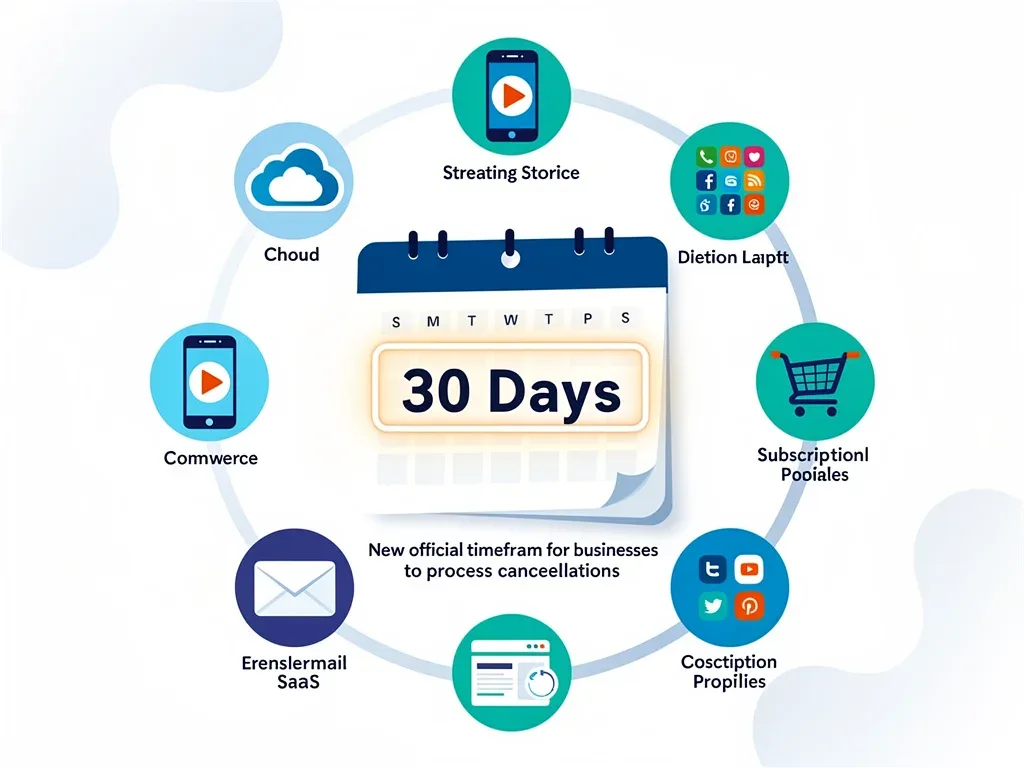
The Federal Trade Commission Enacts 30-Day Click-to-Cancel Mandate for All National Subscription Services is expected to have far-reaching implications for both the subscription economy and consumer behavior. Analysts are closely watching market reactions as companies scramble to comply.
In the short term, some businesses may experience an uptick in cancellations as consumers take advantage of the simplified process. However, in the long run, this mandate could foster greater trust and encourage more consumers to try subscription services, knowing they have an easy exit option.
The industry may also see a push towards more transparent and value-driven business models, as companies realize that customer loyalty must be earned through quality service, not through deceptive retention tactics. This could lead to a more competitive and consumer-friendly market.
Potential for New Business Models
The mandate could spur innovation in business models, with companies focusing on offering superior value and flexible terms to retain customers. This might include more trial periods, tiered service options, and personalized experiences.
Some services might explore alternative revenue streams or adjust pricing structures to compensate for potentially higher churn rates. The pressure to provide genuine value will undoubtedly drive creativity and customer-centric approaches.
Ultimately, the aim is to create a market where businesses thrive by genuinely serving their customers, rather than by exploiting their inertia or confusion. The new mandate encourages this positive evolution.
Legal Challenges and Industry Lobbying
While the FTC's mandate is a clear victory for consumers, it is not without potential challenges from industry groups. Some businesses may argue that the new regulations are overly burdensome or infringe upon their operational autonomy.
It is plausible that legal challenges or lobbying efforts could emerge as companies seek to mitigate the impact of the new rule. However, the FTC has a strong legal foundation for its consumer protection mandates.
The agency has historically demonstrated its resolve in defending its regulations, particularly when they are aimed at preventing widespread consumer harm. The legal battleground will be one to watch as the mandate takes full effect.
Key Point | Brief Description |
|---|---|
Mandate Enactment | FTC officially requires national subscription services to offer simple online cancellation. |
30-Day Compliance | Businesses have 30 days to implement the click-to-cancel feature. |
Consumer Empowerment | Aims to eliminate 'dark patterns' and give consumers control over subscriptions. |
Market Impact | Expected to foster trust and drive value-based retention strategies for businesses. |
Frequently Asked Questions About the FTC Mandate
What does the FTC's 30-day click-to-cancel mandate mean for consumers?▼
It means national subscription services must now offer an online cancellation method that is as straightforward as signing up. This aims to eliminate complex, multi-step processes and make it easier for consumers to end recurring payments, giving them more control over their subscriptions.
Which types of services are affected by this new FTC rule?▼
The mandate applies to all national subscription services that operate across state lines and offer recurring charges. This includes streaming services, software subscriptions, online memberships, and any digital content provider with an auto-renewal feature. Local-only services might not be directly impacted.
What happens if a company does not comply with the 30-day mandate?▼
Companies that fail to implement the click-to-cancel mechanism within the 30-day period risk facing significant penalties and legal action from the FTC. Consumers are encouraged to report non-compliant businesses directly to the Federal Trade Commission through their official channels.
How can consumers ensure they are canceling their subscriptions correctly?▼
Consumers should look for a clear and prominent cancellation option on the service's website or app. After initiating cancellation, it's crucial to ensure a confirmation of cancellation is received. If difficulties arise, document the process and report the issue to the FTC.
Will this mandate affect subscription prices or service quality?▼
While the immediate impact on prices or quality is not directly mandated, the rule may encourage companies to focus more on value-driven retention strategies. This could lead to improved services and more competitive pricing as businesses strive to keep customers through quality rather than cancellation friction.
What Happens Now
The Federal Trade Commission Enacts 30-Day Click-to-Cancel Mandate fundamentally reshapes the landscape of consumer-business interactions. This critical regulatory update demands immediate attention from both companies and consumers.
Businesses must swiftly adapt their systems to ensure compliance, while consumers gain enhanced power and protection.
This move is poised to foster greater transparency and trust in the digital subscription economy, marking a significant step towards a fairer marketplace for everyone involved in the United States.