Major Supply Chain Disruptions Expected to Affect US Retail for Q4 2026
Anúncios
Alert: Major Supply Chain Disruptions Expected to Affect US Retail for Q4 2026 is shaping today’s agenda with new details from officials and analysts. This update highlights what changed, why it matters, and what to monitor next.
Recent reports indicate a convergence of risks that could disrupt goods flow into the United States. The timing is critical, as it coincides with the high-demand holiday shopping season.
This report provides a clear, fact-based overview to help businesses and consumers navigate uncertainty. It focuses on causes, sector impacts, and strategies to reduce potential damage.
Understanding the Looming Supply Chain Crisis
The current warning around Alert: Major Supply Chain Disruptions Expected to Affect US Retail for Q4 2026 is grounded in recent import forecasts and trade-policy shifts rather than in speculation alone.
NRF and Hackett Associates said major US port volumes were expected to remain below year-earlier levels through the first half of 2026 amid tariff uncertainty and higher fuel costs.
That does not automatically mean empty shelves in Q4, because weaker early-year flows can reflect earlier front-loading and changing order patterns. But it does mean retailers have less room for error if they need to replenish quickly later in the year, especially in seasonal categories.
The broader backdrop is also mixed. DHL says global goods trade still has room to grow through 2029, but tariffs are expected to slow momentum and keep volatility high for US importers and exporters.
Geopolitical Tensions and Trade Routes
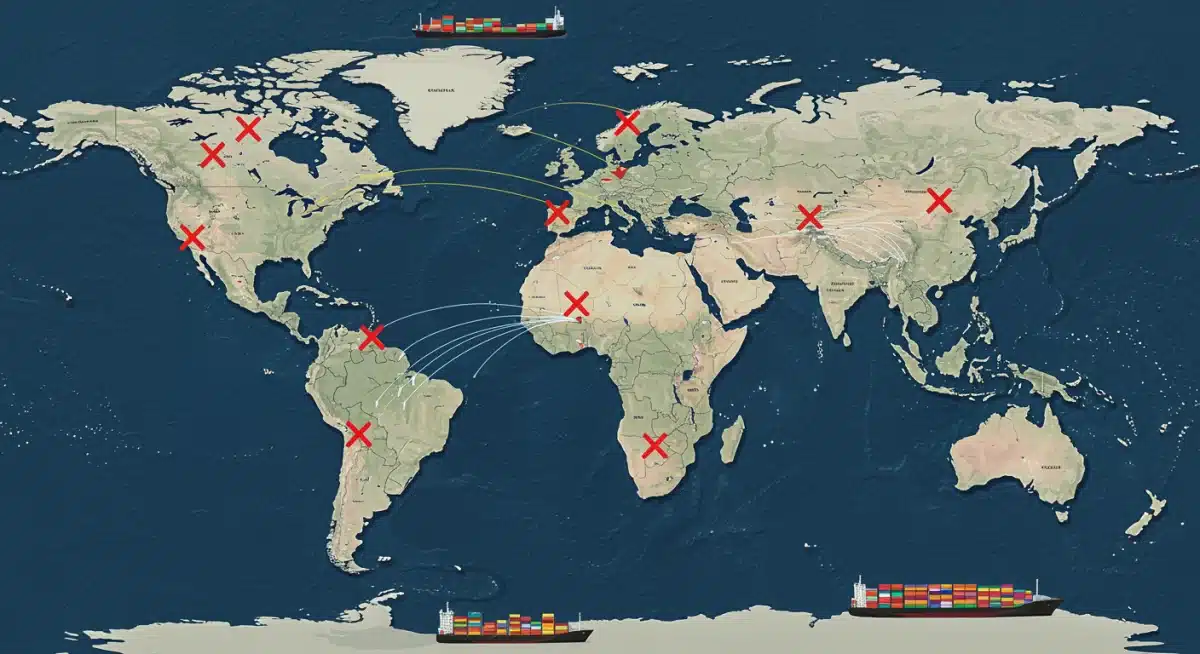
A major risk for late 2026 retail supply chains is disruption along international shipping routes. The Federal Maritime Commission’s FY 2027 budget justification specifically points to ongoing challenges such as the Red Sea crisis and Panama Canal drought disruptions as issues it continues to monitor.
These route problems matter because they can extend transit times, raise insurance and fuel costs, and force cargo to move through less efficient paths. Even when goods still arrive, the result can be more expensive freight and less predictable timing for retailers planning holiday inventory.
- Increased tariffs and trade barriers impacting import costs and availability.
- Disruptions in key maritime chokepoints affecting global shipping schedules.
- Cybersecurity threats targeting logistics infrastructure, causing operational delays.
Trade policy adds another layer of pressure. AP reported in February 2026 that tariff payments for midsize US companies had tripled over the prior year, reinforcing concerns that higher landed costs can eventually flow through to consumer prices.
Impact on Key Retail Sectors
The anticipated Alert: Major Supply Chain Disruptions Expected to Affect US Retail for Q4 2026 will not impact all sectors equally. Electronics, apparel, and toys remain the most exposed due to global sourcing and seasonal demand.
Consumers should expect higher prices and reduced availability for key products, especially those imported from Asia. Retailers are already adapting strategies to reduce dependency and avoid major losses.
The automotive and food sectors may also face indirect pressure from logistics delays. Understanding these differences helps businesses plan inventory and consumers make smarter purchasing decisions.
Electronics and Consumer Goods
Electronics and consumer goods are among the most vulnerable sectors due to complex supply chains. Their dependence on global components and international assembly increases exposure to delays.
Even small disruptions in microchip production or shipping timelines can impact entire product lines. This creates a ripple effect that reduces availability during peak shopping periods.
Consumers planning to buy electronics should act earlier than usual. Waiting until the holiday season may result in limited options or significantly higher prices.
- Microchip shortages continuing to impact various electronic devices.
- Longer lead times for components manufactured in distant regions.
- Increased shipping costs reflecting higher demand for limited cargo space.
Logistical Hurdles and Transportation Bottlenecks
Logistical hurdles such as port congestion, trucking shortages, and rail inefficiencies are expected to intensify the Alert: Major Supply Chain Disruptions Expected to Affect US Retail for Q4 2026. US ports already face pressure during peak seasons.
Trucking capacity remains limited due to driver shortages, affecting delivery timelines from ports to distribution centers. These domestic challenges are as critical as international shipping disruptions.
Rail networks also face infrastructure limitations and capacity constraints. Any disruption across one mode of transport can trigger a ripple effect across the entire supply chain.
Port Congestion and Labor Issues
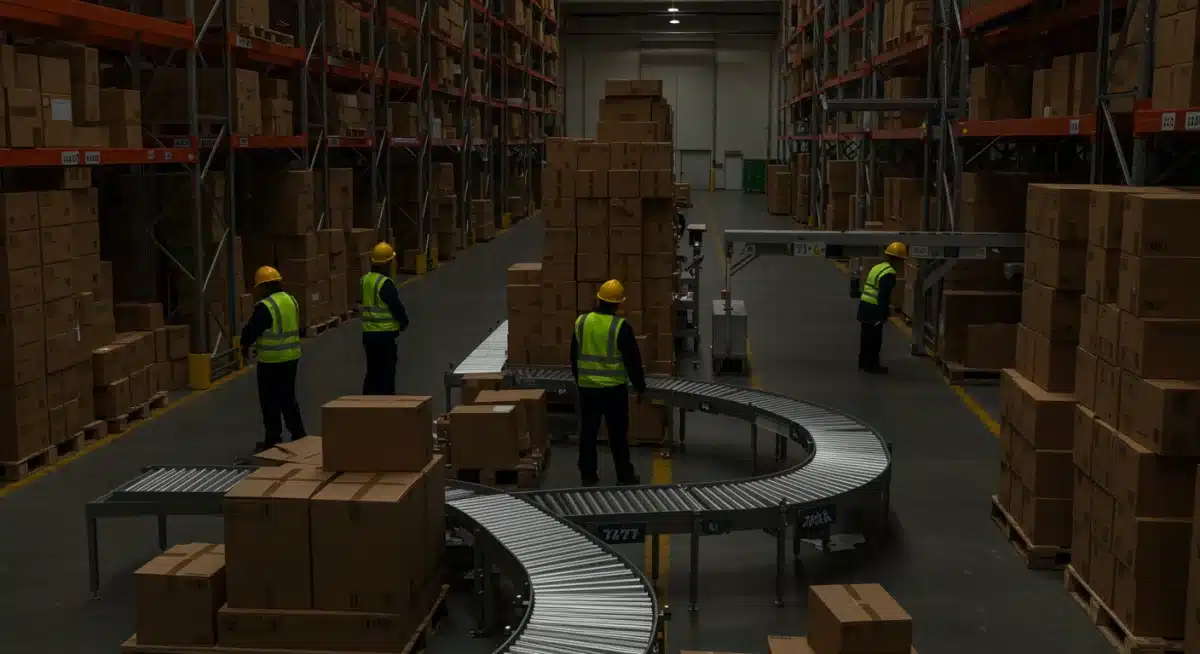
Port congestion continues to be a major issue during high-demand periods. Large cargo volumes overwhelm unloading capacity, causing ships to wait offshore for extended periods.
Labor shortages or disputes can further disrupt operations at key ports. These interruptions can significantly delay the movement of goods across the supply chain.
Although improvements are being implemented, most are long-term solutions. In the short term, coordination and alternative logistics strategies remain essential.
- Increased wait times for cargo ships at major US ports.
- Potential labor disputes impacting port operations and efficiency.
- Shortage of chassis and drayage trucks to move containers from ports.
Inflationary Pressures and Consumer Behavior
The Supply Chain is expected to increase inflationary pressure. Rising transportation and production costs will likely be passed on to consumers.
This may lead to higher prices across multiple product categories. Consumers should be prepared for a more expensive holiday shopping season.
As a result, purchasing behavior may shift toward earlier buying and more price-conscious decisions. This adjustment can help reduce the impact of potential shortages.
Managing Expectations and Budgeting
Managing expectations will be essential for retailers facing delays and price increases. Clear communication can help maintain trust and reduce customer frustration.
Consumers should focus on realistic budgeting and planning ahead. This approach helps avoid last-minute stress and unexpected expenses.
Adapting to changing conditions will be key for both sides. Flexibility in product choice and timing can make the shopping experience smoother.
- Early holiday shopping to secure desired items and potentially lower prices.
- Prioritizing essential purchases over non-essential luxury items.
- Exploring alternative brands or products if preferred items are unavailable.
The Supply Chain underscores the importance of financial preparedness. Retailers might offer more localized products to reduce reliance on complex global supply chains. This could also encourage consumers to support local businesses.
Strategies for Businesses to Mitigate Risks
Businesses must adopt strong strategies to handle the Supply Chain. Diversifying suppliers is one of the most effective ways to reduce risk.
Building relationships with multiple vendors increases flexibility. This helps companies respond faster to unexpected disruptions.
Investing in supply chain visibility tools also improves decision-making. Real-time data allows businesses to anticipate and manage problems more efficiently.
Diversification and Redundancy
Diversification means sourcing from different regions instead of relying on one supplier. This reduces exposure to localized disruptions and geopolitical risks.
Creating redundancy ensures alternative supply chain routes are available when needed. This approach increases resilience across the entire operation.
Nearshoring and reshoring are also gaining importance. These strategies reduce transit times and dependency on long-distance logistics.
- Establishing relationships with suppliers in different countries or regions.
- Maintaining buffer stock for critical components and high-demand products.
- Implementing multi-modal transportation options for greater flexibility.
Government and Industry Responses
Government agencies and industry groups are working together to address supply chain risks. Their efforts focus on improving coordination and reducing inefficiencies.
Public-private partnerships are being strengthened to support logistics infrastructure. These collaborations aim to reduce the overall impact of disruptions.
Regulatory adjustments are also being considered to improve flexibility. This includes reviewing trade and labor policies that affect supply chains.
Policy Adjustments and Infrastructure Investment
Governments are exploring policy changes to ease supply chain pressure. Incentives for local production and logistics improvements are being discussed.
Infrastructure investments in ports, roads, and rail systems are also being prioritized. These upgrades aim to increase long-term efficiency.
Faster implementation of these projects is critical. Stronger infrastructure will help prevent future disruptions from escalating.
- Fast-tracking infrastructure projects at key transportation hubs.
- Providing grants or subsidies for businesses to diversify supply chains.
- Developing early warning systems for emerging supply chain threats.
Industry associations are playing a vital role by advocating for their members and sharing best practices. They are also working to educate businesses about the potential impacts of the Supply Chain and available resources.
Consumer Preparedness and Shopping Habits
Consumers must adapt to the Supply Chain by changing their shopping habits. Early purchasing is one of the most effective strategies.
Buying ahead reduces the risk of stockouts and price increases. It also provides more options before demand peaks.
Exploring local retailers can also be beneficial. Smaller businesses may have more flexible supply chains and unique product offerings.
Smart Shopping Strategies
Smart shopping involves planning and research before making purchases. Comparing prices and checking availability can improve decision-making.
Subscribing to retailer updates can help track stock and promotions. This provides an advantage during high-demand periods.
Flexibility is also important when preferred products are unavailable. Choosing alternatives can help avoid delays and frustration.
- Start holiday shopping earlier than usual to secure desired items.
- Consider purchasing gift cards or experiences instead of physical goods.
- Be open to alternative brands or products if preferred items are unavailable.
The Supply Chain necessitates a shift in consumer mindset towards resilience and adaptability. Being prepared for potential shortages and price increases can turn a stressful situation into a manageable one.
Long-Term Outlook and Future Resilience
The Supply Chain highlights the need for long-term resilience. Supply chains must evolve beyond efficiency toward adaptability.
Future strategies will focus on diversification and regionalization. These changes aim to create more stable and reliable systems.
Businesses that adapt quickly will be better positioned. Flexibility will become a key competitive advantage in global trade.
Building Sustainable Supply Chains
Sustainable supply chains focus on long-term stability and efficiency. This includes reducing vulnerability to external shocks.
Investments in automation and advanced technology are essential. These tools improve control and operational visibility.
Data-driven decision-making will shape the future of logistics. Strong analytics help predict risks and improve planning across the supply chain.
- Increased investment in automation and AI for logistics and warehousing.
- Development of regional supply hubs to reduce reliance on distant manufacturing.
- Enhanced data analytics for predictive modeling and risk assessment.
The long-term outlook for supply chains is one of continuous evolution and adaptation. The Supply Chain is a significant event that will undoubtedly accelerate many of these changes.
| Key Point | Brief Description |
|---|---|
| Anticipated Causes | Geopolitical tensions, climate impacts, and labor issues contributing to disruptions. |
| Retail Sector Impact | Electronics, apparel, and toys most vulnerable; higher prices and limited availability expected. |
| Business Strategies | Diversification, redundancy, and technology adoption crucial for mitigation. |
| Consumer Preparedness | Early shopping, budgeting, and flexibility in choices to navigate challenges. |
Frequently Asked Questions About Supply Chain Disruptions
The expected disruptions for Q4 2026 involve a combination of geopolitical instability, potential climate-related events, and ongoing labor challenges in logistics. These factors are predicted to create bottlenecks in shipping, manufacturing, and distribution, leading to product shortages and increased costs for US retail.
Sectors heavily reliant on global manufacturing, such as electronics, apparel, and toys, are expected to be most impacted. However, other industries like automotive and even some perishable goods could experience significant challenges due to transportation and labor bottlenecks within the US.
Businesses should focus on diversifying their supply sources, building redundancy in their logistics networks, and investing in advanced supply chain visibility technologies. Establishing stronger relationships with multiple suppliers and exploring nearshoring options can also significantly mitigate risks.
Consumers are advised to start their holiday shopping early to secure desired items and potentially avoid higher prices. Being flexible with brand and product choices, exploring local retailers, and budgeting carefully are also smart strategies to navigate potential shortages and inflation.
Government agencies are expected to collaborate with industry to streamline customs, invest in infrastructure, and review relevant policies. Efforts will focus on enhancing port efficiency, addressing labor shortages, and fostering public-private partnerships to build a more resilient national supply chain framework.
Looking Ahead: Navigating the Future of Retail
The Supply Chain underscores a critical juncture for both businesses and consumers. The coming months will test the adaptability of global trade systems and the resilience of domestic markets.
Continuous monitoring of geopolitical developments, climate patterns, and labor market trends will be essential.
This period will undoubtedly reshape long-term strategies for supply chain management and consumer spending habits.