Comparing Virtual vs. In-Person Learning Outcomes for K-12 Students in 2026: A Comprehensive Analysis
Anúncios
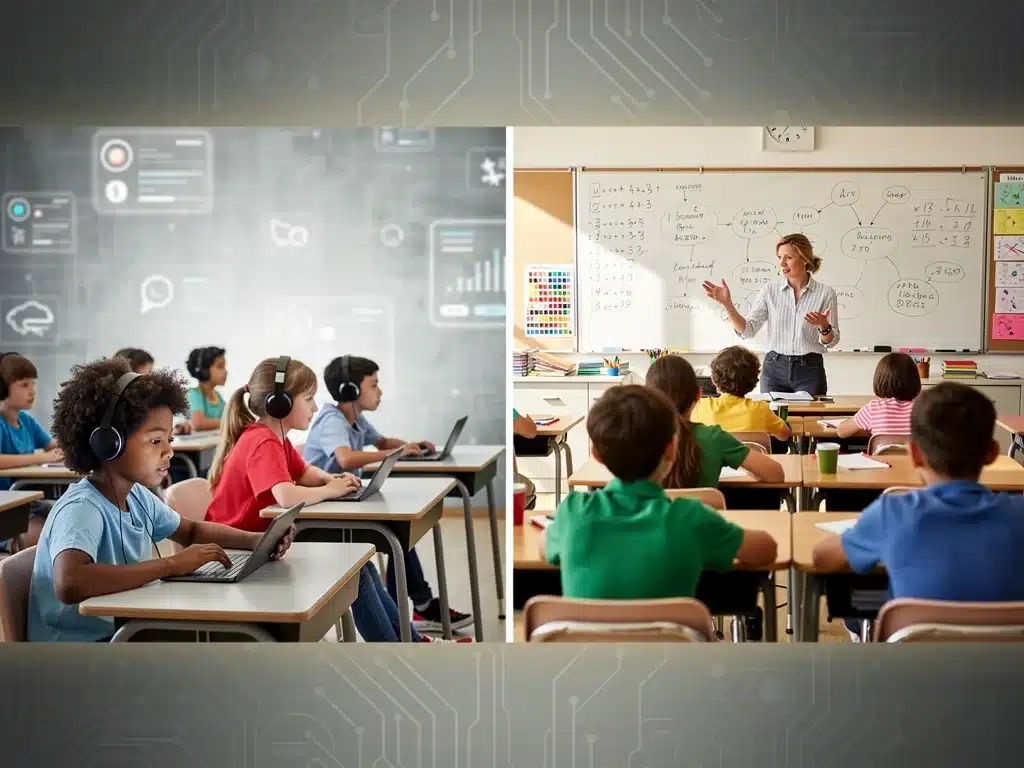
The debate surrounding the ideal modern classroom environment is far from over. In 2026, parsing through the data on virtual vs. in-person learning has become vital for families and educators trying to optimize student success in a post-digital shift world.
This comprehensive performance analysis moves beyond emergency remote setups to examine stable, long-term scholastic metrics.
Real-world data reveals distinct gaps in academic achievement, developmental milestone tracking, and social-emotional growth between physical classrooms and screen-based education.
Is a fully remote curriculum setting your child behind, or does the brick-and-mortar school format fail to meet their personal needs? Discover the definitive, evidence-based breakdown of how these competing educational models truly affect long-term academic excellence.
The Evolving Landscape of K-12 Education
The educational landscape for K-12 students has undergone significant transformation in recent years, driven by technological advancements and unforeseen global events. This evolution has necessitated a deeper look into how different learning environments impact student success.
As we approach 2026, the discussion around virtual vs. in-person learning is no longer just theoretical; it is grounded in extensive data and real-world experiences. Educational institutions are continuously adapting their strategies to optimize learning outcomes.
This ongoing adaptation aims to address both academic achievement and the holistic development of students. The goal is to identify practices that best prepare K-12 learners for future challenges and opportunities.
Technological Integration and Accessibility
The role of technology in facilitating virtual learning cannot be overstated, yet its uneven distribution creates significant disparities. Access to reliable internet and devices remains a critical factor influencing the effectiveness of online instruction.
Educational technology platforms have become more sophisticated, offering interactive tools and personalized learning paths. However, the true benefit of these tools is only realized when all students can consistently engage with them.
Ensuring equitable access to technology is paramount for any successful virtual learning initiative. Without it, the gap between students with resources and those without will only widen, impacting overall learning outcomes.
Policy Shifts and Funding for Digital Learning
Government policies and funding allocations are playing a pivotal role in shaping the future of virtual vs. in-person learning. Recent legislative efforts aim to support digital infrastructure and teacher training for online environments.
These policy shifts reflect a recognition of virtual learning as a permanent fixture in the educational ecosystem, not merely a temporary measure. Funding is being directed towards long-term solutions for hybrid models and digital literacy programs.
However, the effectiveness of these policies will depend on their implementation and ongoing evaluation. Transparent reporting on how funds are utilized and their impact on student performance is essential.
Academic Performance: Virtual vs. In-Person
Academic performance remains the primary metric for evaluating the success of any educational model, and the comparison between virtual vs. in-person learning is particularly telling. Recent studies provide valuable insights into how these environments affect student achievement in core subjects.
Data from various school districts across the United States indicates a complex picture, with some students thriving in virtual settings while others experience significant setbacks. The subject matter itself can also influence the effectiveness of each learning mode.
Understanding these variations is critical for tailoring educational approaches to meet diverse student needs. A one-size-fits-all solution is unlikely to be effective in the dynamic world of K-12 education.
Key findings suggest that while some students benefit from the flexibility of virtual learning, others require the structured environment of in-person classrooms. This highlights the importance of individualized learning plans.
Reading and Literacy Rates
Studies on reading and literacy rates show mixed results, with some virtual learning models struggling to maintain pre-pandemic levels. The lack of direct, immediate teacher feedback in online settings can be a contributing factor.
In-person instruction often allows for more targeted interventions and personalized reading support, which is crucial for developing foundational literacy skills. However, innovative virtual programs are emerging that address these challenges.
The long-term impact on literacy development will be a key area of focus as we move towards 2026. Effective strategies for fostering strong reading habits in both virtual and in-person settings are being explored.
Mathematics and STEM Subjects
Performance in mathematics and STEM subjects presents another critical area of comparison. The hands-on, collaborative nature often associated with these subjects can be more challenging to replicate effectively in a purely virtual environment.
While virtual simulations and interactive online tools have advanced, they may not fully compensate for the tactile experience of laboratory work or direct problem-solving with peers and instructors. This makes the delivery of virtual vs. in-person learning for STEM particularly complex.
However, some virtual platforms have shown promise in delivering personalized math instruction, adapting to individual student paces. The effectiveness often depends on the quality of the digital curriculum and teacher engagement.
Socio-Emotional Development and Well-being
Beyond academic scores, the socio-emotional development and overall well-being of K-12 students are paramount concerns in the virtual vs. in-person learning debate. The social aspect of school plays a crucial role in a child’s growth.
In-person schooling provides consistent opportunities for peer interaction, collaborative learning, and direct mentorship from teachers. These interactions are fundamental for developing social skills, empathy, and a sense of community.
Virtual learning environments, while offering flexibility, can sometimes lead to feelings of isolation and reduced opportunities for spontaneous social engagement. Educators are actively seeking ways to mitigate these potential drawbacks.
Impact on Mental Health
The mental health implications of prolonged virtual learning have been a significant concern for parents and educators. Increased screen time, reduced physical activity, and social isolation can contribute to higher rates of anxiety and depression among students.
Conversely, some students with social anxieties or specific learning needs have reported feeling more comfortable and less stressed in a virtual environment. This highlights the individualized nature of well-being in different learning settings.
Schools are now integrating mental health support services into both virtual and in-person programs. The goal is to ensure that all students have access to the resources they need, regardless of their learning modality.
Social Skills and Peer Interaction
The development of social skills is intrinsically linked to regular, in-person interactions with peers and adults. Virtual platforms, despite their best efforts, often struggle to replicate the spontaneous and nuanced social dynamics of a physical classroom.
Peer interaction is vital for learning negotiation, conflict resolution, and teamwork. While online group projects exist, the depth of engagement and non-verbal cues present in face-to-face interactions are often diminished.
Educators are experimenting with various strategies to foster social connections in virtual spaces, such as structured online social clubs and virtual collaborative activities. However, the challenge of fully mirroring in-person social development remains a key area of focus for virtual vs. in-person learning outcomes.
Teacher Preparedness and Support
The effectiveness of both virtual and in-person learning models heavily relies on the preparedness and ongoing support provided to teachers. The transition to digital instruction demanded new skill sets and pedagogical approaches.
Many educators, particularly those accustomed to traditional classroom settings, required extensive training to adapt to virtual teaching methodologies. This included mastering new technologies and developing engaging online content.
Ongoing professional development and access to resources are crucial for teachers to excel in diverse learning environments. Their ability to navigate the complexities of virtual vs. in-person learning directly impacts student success.
Training for Digital Pedagogy
Training programs for digital pedagogy have become essential, focusing on effective online lesson delivery, student engagement in virtual settings, and the use of educational technology tools. These programs aim to equip teachers with the necessary skills for a blended future.
Beyond technical skills, teachers also need support in fostering a positive online learning community and addressing the unique socio-emotional needs of students in virtual classrooms. This holistic approach to training is vital.
The investment in robust digital pedagogy training is a long-term commitment that will shape the quality of virtual learning experiences for years to come. It’s a critical component in improving virtual vs. in-person learning efficacy.
Resource Allocation and Workload Management
Resource allocation for teachers in both virtual and in-person settings is a significant factor in their effectiveness. This includes access to relevant materials, technical support, and adequate planning time.
Teachers in virtual environments often face unique challenges related to workload management, balancing synchronous and asynchronous instruction, and providing individualized feedback remotely. Effective strategies are needed to prevent burnout.
Ensuring that teachers have the necessary resources and support systems in place is paramount for maintaining high-quality instruction. This directly influences the overall success of comparing virtual vs. in-person learning outcomes.
Parental Involvement and Home Environment
Parental involvement and the home learning environment play a more pronounced role in virtual learning compared to traditional in-person schooling. The level of support and resources available at home can significantly influence a student’s success.
For virtual learning to be effective, parents often need to take on a more active role in supervising their children’s education, ensuring they stay on track and have a conducive learning space. This can be a challenge for many families.
In-person learning, while still benefiting from parental engagement, places less direct responsibility on parents for daily instructional oversight. This distinction is crucial when evaluating the overall impact of virtual vs. in-person learning.
Support Systems for Families
Schools are developing enhanced support systems for families, offering resources and guidance to navigate the complexities of virtual learning. This includes workshops on digital tools, strategies for creating effective home learning environments, and mental health resources.
These support systems aim to bridge the gap in resources and knowledge that some families may experience. Collaborative efforts between schools and parents are essential for fostering a successful learning ecosystem.
The effectiveness of these support systems is a key determinant in ensuring equitable access to quality education, regardless of the learning modality. It directly impacts the outcomes of virtual vs. in-person learning.
Addressing Digital Divide
The digital divide, characterized by unequal access to technology and high-speed internet, remains a significant barrier for many families. This disparity disproportionately affects low-income households and rural communities, exacerbating educational inequalities.
Efforts to address the digital divide include providing students with devices, offering subsidized internet access, and establishing community Wi-Fi hotspots. These initiatives are crucial for leveling the playing field in virtual education.
Overcoming the digital divide is not just about technology; it’s about ensuring every student has the opportunity to participate fully in modern education. This is a fundamental challenge in the comprehensive analysis of virtual vs. in-person learning.
Hybrid Models and Future Trends
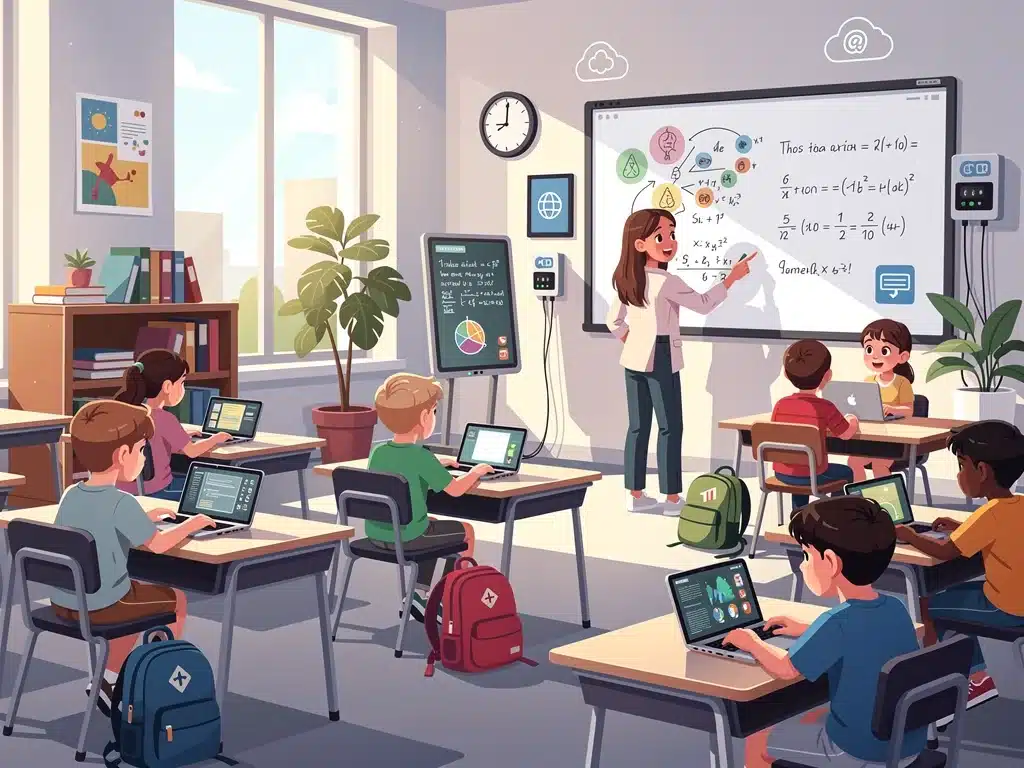
As we move towards 2026, hybrid learning models are emerging as a prominent trend, seeking to combine the best elements of both virtual and in-person instruction. These models offer flexibility while retaining the benefits of face-to-face interaction.
The goal is to create a more resilient and adaptable educational system that can respond to various needs and circumstances. Hybrid approaches allow for personalized learning pathways and cater to diverse student preferences.
The development and implementation of effective hybrid models will be a key focus for educators and policymakers in the coming years. This represents a significant evolution in the virtual vs. in-person learning discussion.
This innovative approach aims to optimize student engagement and academic outcomes. The flexibility of hybrid models can also better accommodate students with unique scheduling or health considerations.
Personalized Learning Pathways
Hybrid models are particularly adept at facilitating personalized learning pathways, allowing students to progress at their own pace and focus on areas where they need more support. This individualized approach can enhance engagement and mastery of subjects.
By leveraging both digital tools and in-person instruction, educators can tailor curricula to meet the specific needs of each student. This moves beyond a one-size-fits-all approach to education.
The potential for personalized learning to improve overall academic outcomes is significant, making it a cornerstone of future educational strategies. It reshapes the comparison between virtual vs. in-person learning.
Flexibility and Adaptability
The inherent flexibility of hybrid models makes the educational system more resilient to disruptions, such as public health crises or natural disasters. Schools can seamlessly transition between in-person and virtual components as needed.
This adaptability ensures continuity of learning and minimizes the impact of unforeseen events on student progress. It provides a robust framework for consistent educational delivery.
The ability to adjust rapidly to changing circumstances is a major advantage of hybrid learning. It offers a practical solution to many of the challenges identified in the virtual vs. in-person learning debate.
Research Methodologies and Data Collection
The comprehensive analysis of virtual vs. in-person learning outcomes relies heavily on robust research methodologies and meticulous data collection. Accurate and unbiased data are essential for drawing valid conclusions and informing educational policy.
Researchers are employing a variety of quantitative and qualitative methods, including standardized test scores, student surveys, teacher observations, and longitudinal studies. This multi-faceted approach provides a holistic view of the impact of different learning environments.
The integrity of these research processes is paramount to understanding the true effects of virtual vs. in-person learning. Transparency in data collection and analysis ensures the trustworthiness of findings.
Longitudinal Studies and Cohort Analysis
Longitudinal studies are critical for tracking the long-term effects of different learning modalities on K-12 students. By following cohorts of students over several years, researchers can identify trends and causal relationships that short-term studies might miss.
Cohort analysis allows for a deeper understanding of how early exposure to virtual or in-person learning impacts subsequent academic and socio-emotional development. This provides invaluable insights into the lasting effects of various educational interventions.
These studies are essential for informing future educational policy and practice, offering a clearer picture of the enduring consequences of virtual vs. in-person learning on student trajectories.
Qualitative Insights from Stakeholders
Beyond quantitative data, qualitative insights from students, parents, and educators provide crucial context and nuance. Interviews, focus groups, and open-ended surveys capture personal experiences and perspectives that numbers alone cannot convey.
Understanding the lived experiences within virtual and in-person settings helps to identify subtle challenges and successes. These narratives are vital for developing more empathetic and effective educational strategies.
Integrating qualitative data with quantitative findings offers a richer, more comprehensive understanding of the complex dynamics at play in the virtual vs. in-person learning debate, ensuring that all voices are heard.
Challenges and Opportunities for 2026
As we look towards 2026, the K-12 educational landscape faces both significant challenges and unparalleled opportunities in the realm of virtual vs. in-person learning. Addressing these will shape the future of student success.
Challenges include ensuring equitable access to technology, mitigating learning loss, and supporting the mental health of students and educators. These issues require sustained effort and innovative solutions from all stakeholders.
Opportunities lie in leveraging technology for personalized learning, fostering greater flexibility, and creating more resilient educational systems. The lessons learned from recent years provide a strong foundation for future growth.
Addressing Learning Loss
Learning loss, particularly in foundational subjects, remains a pressing concern stemming from the disruptions of recent years. Targeted interventions and remedial programs are essential to help students catch up and ensure they are on track for academic success.
Identifying specific areas of learning loss and implementing data-driven strategies will be crucial for recovery. This requires a collaborative effort between schools, families, and community organizations.
Effective strategies for addressing learning loss will be a key measure of success for both virtual and in-person learning models in 2026. This focuses on the practical outcomes of comparing virtual vs. in-person learning.
Innovation in Curriculum Design
The challenges of virtual and hybrid instruction have spurred significant innovation in curriculum design. Educators are developing more engaging, interactive, and adaptable learning materials that can be delivered effectively across different modalities.
This includes integrating multimedia, gamification, and project-based learning into both digital and physical classrooms. The goal is to create dynamic learning experiences that cater to diverse learning styles.
Continued innovation in curriculum design will be vital for maximizing the potential of both virtual and in-person learning environments, ensuring that content is relevant and stimulating for K-12 students.
| Key Finding | Brief Description |
|---|---|
| Academic Variation | Outcomes vary significantly by subject and student, highlighting no single superior model. |
| Socio-Emotional Impact | In-person learning generally supports better social development, while virtual offers flexibility for some. |
| Hybrid Potential | Hybrid models show promise in combining benefits and addressing diverse student needs. |
| Equity Gaps | Digital divide and parental support significantly influence virtual learning effectiveness. |
Frequently Asked Questions About Learning Outcomes
Key factors include the quality of instruction, student engagement, access to technology and resources, parental involvement, and socio-emotional support. These elements collectively shape a student’s academic and personal growth, regardless of the learning environment.
Not necessarily. While some studies show challenges in virtual settings, effectiveness largely depends on subject matter, student demographics, and instructional quality. Some students thrive in virtual environments, especially with personalized approaches, making a direct comparison complex.
In-person learning typically offers more direct opportunities for social interaction and peer development. Virtual learning can sometimes lead to isolation, but it can also provide a less stressful environment for some. Both models require intentional efforts to support student well-being.
Technology is crucial for both. In virtual settings, it enables access and interaction. In-person, it enhances engagement and personalized learning. Its effectiveness hinges on equitable access, teacher training, and thoughtful integration into the curriculum for all students.
Hybrid learning models, personalized learning pathways, and increased focus on mental health support are prominent trends. There’s also a strong emphasis on addressing the digital divide and ensuring equitable access to high-quality education for all K-12 students.
Perspectives
The ongoing analysis of virtual vs. in-person learning outcomes for K-12 students in 2026 highlights a dynamic educational landscape that continues to evolve. What this means is a sustained focus on adaptability, equity, and personalized approaches to student success.
Educators, policymakers, and parents must remain informed and engaged, recognizing that a singular solution is unlikely. The future of K-12 education will likely be defined by a strategic integration of diverse learning modalities, tailored to individual student needs and broader societal goals.
The insights gained from this comprehensive analysis will continue to inform how educational systems are designed and implemented, ensuring that all students have the best opportunities to thrive in an ever-changing world.